The directive mobilizes $1.2 billion in federal procurement to deploy American-built unmanned aerial systems along rural border corridors, interstate energy pipelines, and disaster impact zones.
WASHINGTON — President Donald Trump on Sunday signed a sweeping executive order establishing the National Strategic Drone Fleet Reserve, a multi-agency defense and civil infrastructure initiative designed to rapidly deploy thousands of domestically manufactured unmanned aerial systems (UAS) across the southern border, interstate energy networks, and federally declared disaster zones.
The presidential directive, executed under statutory authorities of the Federal Aviation Administration Reauthorization Act (49 U.S. Code § 44807) and the Homeland Security Act (6 U.S. Code § 124n), mandates that all unmanned platforms integrated into the national reserve must be engineered, assembled, and sourced entirely within the United States or from authorized treaty allies. The explicit prohibition against foreign-manufactured flight hardware and flight control software permanently bars platforms produced in geopolitical competitor nations from participating in federal surveillance and infrastructure missions.
The establishment of the reserve addresses critical operational gaps identified by border patrol commanders, emergency management coordinators, and critical infrastructure operators who have struggled with supply bottlenecks, electronic warfare vulnerabilities, and cyber-backdoor risks associated with commercially imported foreign drones.
Interagency Mission Architecture and Border Integration
According to operational blueprints released by the Department of Homeland Security (DHS), the strategic drone reserve will be structured across three core operational command echelons:
- Border Security Sector Surveillance (60% Fleet Allocation): High-endurance tethered and autonomous tactical drones equipped with thermal forward-looking infrared (FLIR) cameras and acoustic gunshot detection sensors deployed across rural mountain canyons and riverine corridors in Texas, New Mexico, and Arizona.
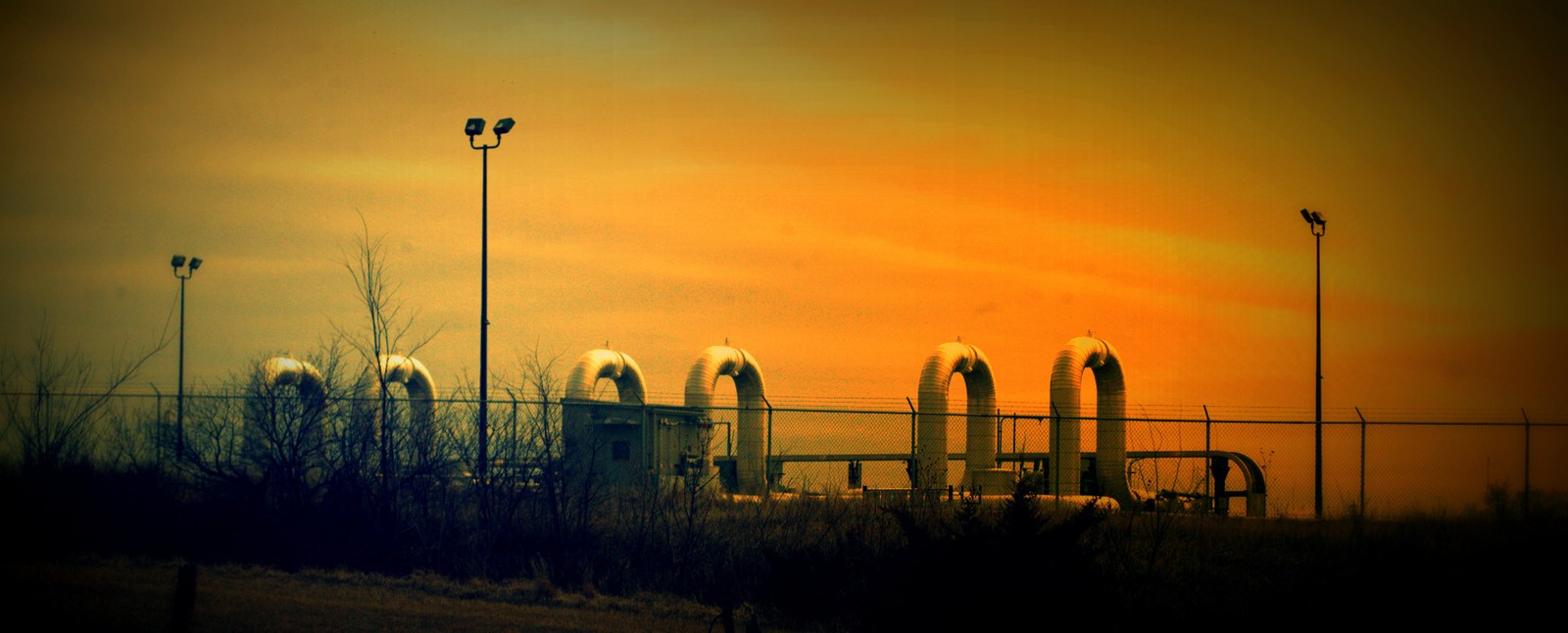
- Critical Energy and Pipeline Monitoring (25% Fleet Allocation): Automated inspection platforms dedicated to continuous perimeter patrol over interstate natural gas corridors, crude oil pipelines, electrical grid switching stations, and deepwater LNG export terminals.
- FEMA Emergency Disaster Reconnaissance (15% Fleet Allocation): Rapid-response mobile drone stations staged at regional logistics depots to map hurricane storm surges, wildfire spread, and tornado debris fields within minutes of landfall.
This deployment works in direct concert with existing federal security initiatives, integrating seamlessly with recent AI cargo inspection systems at southern rail corridors and counter-unmanned surveillance grids deployed by border law enforcement.
Reshoring Domestic UAS Supply Chains Under FAA Rules
A primary objective of the executive action is the rapid revitalization of the domestic commercial drone manufacturing base. For more than a decade, foreign state-subsidized manufacturers captured over 70 percent of the North American commercial drone market, creating dangerous supply dependencies for municipal police forces, state utility companies, and agricultural inspection teams.
To incentivize domestic industrial scale, the administration directed the Federal Aviation Administration (FAA) to promulgate expedited waiver frameworks under 14 CFR Part 107. The new regulations allow vetted, American-built commercial drones to operate beyond visual line of sight (BVLOS) for critical infrastructure defense and public safety operations, removing regulatory hurdles that previously required lengthy, case-by-case administrative approvals.
“We cannot protect American skies, American borders, and American power plants with drones built by our greatest adversaries,” President Trump declared during remarks at the White House. “This executive order puts American aerospace workers first, breaks foreign monopolies on flight technology, and gives our brave border agents and disaster responders the finest American-made tools in the world.”
Procurement Timelines and Defense Mobilization
The Department of Defense and the Department of Homeland Security will release joint procurement solicitations on Monday, October 26, 2026. The initial $1.2 billion capital allocation, authorized through emergency homeland defense appropriations and statutory Defense Production Act balances, will contract for an initial tranche of 4,500 domestic airframes, mobile ground control stations, and hardened encrypted communications links.
The first operational squadron of the reserve is scheduled to deploy along the Rio Grande Valley and Del Rio sectors before the end of the current quarter, providing round-the-clock aerial persistence across remote desert sectors.
Counter-UAS Hardening and Autonomous Flight Systems
A key technological pillar of the national drone reserve focuses on survivability against foreign jamming and electronic interference. Drones operating along contested border sectors frequently encounter sophisticated GPS spoofing and radio-frequency jamming deployed by transnational criminal cartels attempting to blind federal thermal cameras.
To overcome electronic warfare threats, the strategic reserve mandates that all procured airframes integrate military-grade optical terrain-relative navigation (TRN) and inertial measurement units (IMUs) compliant with DOD MIL-STD-461. These autonomous guidance systems allow drones to maintain precision flight paths and continuous video feeds even when satellite signals are completely jammed, ensuring border agents retain situational awareness during low-visibility night interdictions.
State governors along the southern border have also pledged operational coordination with the federal strategic fleet, offering national guard airfields and drone maintenance hangars in Del Rio, McAllen, and Sierra Vista as forward operating bases. The combined federal-state air architecture provides persistent real-time telemetry directly to tactical field units, drastically curtailing illicit smuggling crossings in previously unpatrolled canyon sectors.
Sources & Official Documentation
- Legal Information Institute (Cornell Law School) – 49 U.S. Code § 44807 – Special Authority for Certain Unmanned Aircraft Systems and Commercial Approvals
- Legal Information Institute (Cornell Law School) – 6 U.S. Code § 124n – Protection of Certain Facilities and Assets from Unmanned Aircraft
- Electronic Code of Federal Regulations (eCFR) – 14 CFR Part 107 – Federal Aviation Administration Regulations Governing Small Unmanned Aircraft Systems