
A unanimous three-judge appellate panel ruled that state laws shielding physicians, nurses, and faith-based hospitals from compulsory participation in non-emergency procedures fully harmonize with the federal Church Amendments.
ST. LOUIS — A unanimous three-judge panel of the U.S. Court of Appeals for the Eighth Circuit on Friday upheld state medical conscience protection statutes enacted across the Midwest, rejecting a legal challenge brought by activist advocacy groups that sought to compel faith-based hospitals, physicians, and specialty pharmacists to perform or facilitate elective medical procedures contrary to their sincerely held religious or moral convictions.
In a comprehensive 41-page opinion, the appellate court held that state laws prohibiting licensing boards, public universities, and healthcare employers from retaliating against conscientious objectors are neither preempted by federal healthcare funding statutes nor inconsistent with the U.S. Constitution. On the contrary, the panel concluded that state conscience protections mirror five decades of explicit bipartisan congressional policy codified in the Church Amendments (42 U.S. Code § 300a-7) and the Public Health Service Act’s Coates-Snowe provisions (42 U.S. Code § 238n).
The ruling vacates a preliminary injunction previously sought by plaintiffs who argued that broad statutory conscience protections conflicted with federal administrative conditions attached to Medicaid and Department of Health and Human Services (HHS) hospital grants.
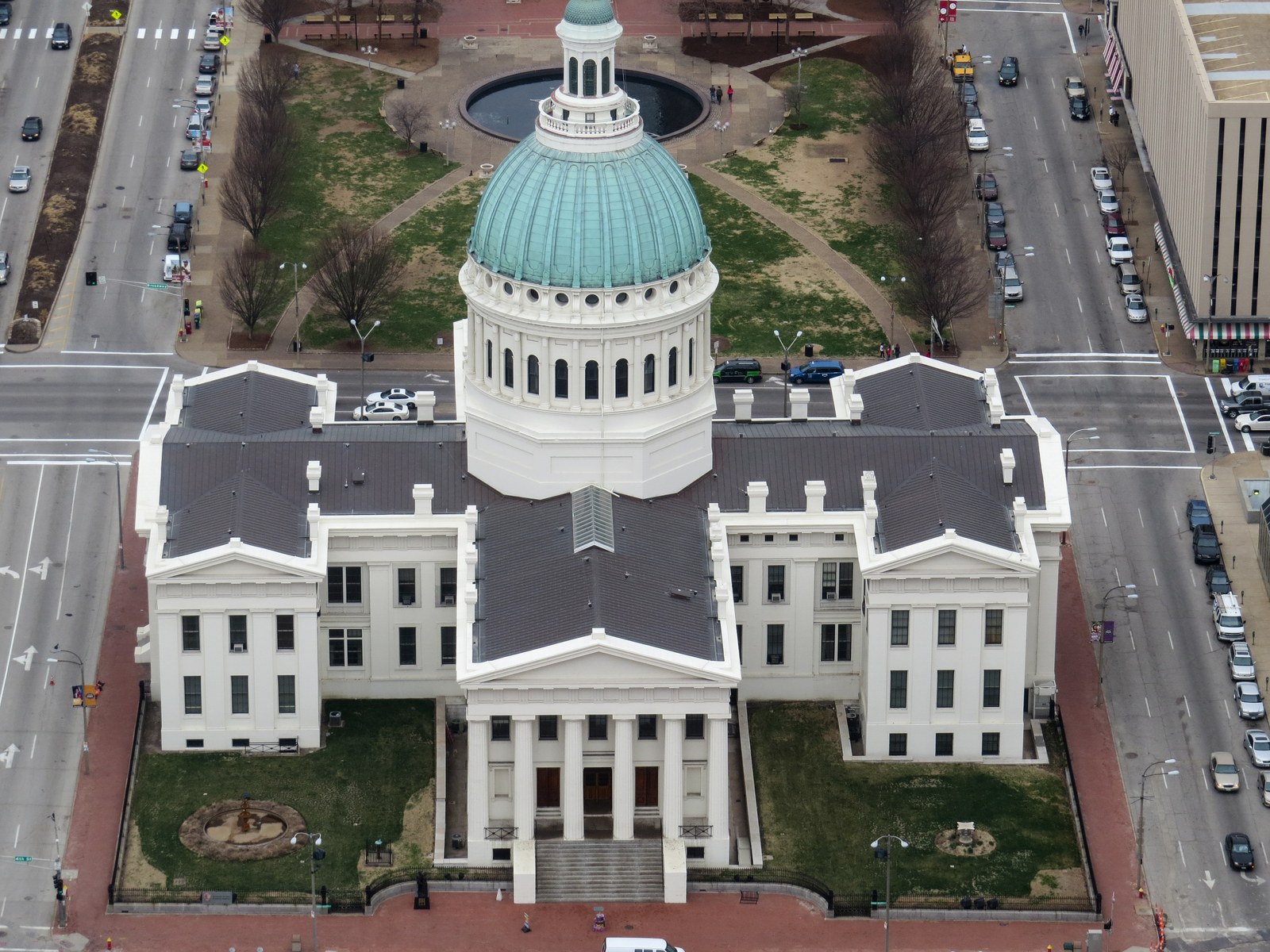
Harmonizing State Protections With Federal Statutory Conscience Mandates
At the heart of the litigation were state statutes guaranteeing that no physician, nurse, surgical technician, pharmacist, or religious healthcare institution may be held civilly liable, stripped of professional licensure, or denied state contract eligibility for declining to participate in specific non-emergency elective procedures—including sterilization, abortion, assisted suicide, or gender-transition interventions—that violate their documented ethical or religious beliefs.
Writing for the court, the Eighth Circuit panel emphasized three foundational principles of federal statutory and constitutional law:
- Express Congressional Protection Under the Church Amendments (42 U.S. Code § 300a-7): Congress explicitly barred public authorities and grant recipients from requiring individuals or healthcare facilities to perform or assist in sterilization, abortion, or biomedical activities contrary to their religious beliefs or moral convictions, demonstrating that federal law favors—rather than preempts—conscience accommodation.
- Anti-Discrimination Safeguards in Medical Licensing and Residency (42 U.S. Code § 238n): Federal statute strictly prohibits federal, state, and local governments from discriminating against any health care entity, medical school, or residency program that refuses to undergo training in, provide, or refer for induced abortions.
- Preservation of Emergency Care Obligations: The state statutes at issue expressly preserve existing federal and state emergency stabilization duties for life-threatening medical conditions, ensuring that conscience accommodations apply strictly to elective, non-emergent interventions.
Friday’s decision adds to a growing body of federal appellate rulings curbing ideological mandates and affirming state authority, following Wednesday’s Fifth Circuit ruling striking down federal ideological compliance certifications for faith-based charities and Thursday’s appellate decision upholding state age-verification and parental-consent laws for minor social media accounts.
Protecting Faith-Based Hospitals and Preventing Rural Physician Shortages
During oral arguments in St. Louis, attorneys general representing several Midwestern states presented empirical hospital workforce data demonstrating that faith-based healthcare networks account for nearly 30 percent of all inpatient hospital beds across rural counties in the Eighth Circuit. State officials warned that forcing religious hospitals or individual Christian, Jewish, and Muslim physicians to violate their core ethical commitments would trigger widespread facility closures and early retirements in medically underserved rural communities.
The Eighth Circuit panel agreed, noting that federal conscience enforcement rules codified at 45 CFR Part 88 were specifically designed to work alongside state licensing frameworks to protect the pluralistic character of American medicine. “The practice of medicine has been governed by ethical oaths and moral obligations for more than two millennia,” the panel wrote. “Nothing in federal healthcare statutes strips a sovereign state of its traditional authority to ensure that doctors and nurses are not forced to choose between their professional licenses and their conscience.”
National Implications for Medical Licensing Boards and Healthcare Systems
Legal scholars and medical associations representing thousands of faith-based clinicians hailed the Eighth Circuit’s ruling as a landmark precedent for all seven states within the circuit—Arkansas, Iowa, Minnesota, Missouri, Nebraska, North Dakota, and South Dakota—as well as a persuasive blueprint for similar laws in more than a dozen other states.
With the preliminary injunction challenge dismissed in full, state attorneys general confirmed on Friday afternoon that their civil rights divisions will immediately resume enforcement of the conscience protection statutes, providing hospital staffs and community pharmacists with binding legal recourse against retaliatory termination or specialty board decertification.
Sources & Official Documentation
- Legal Information Institute (Cornell Law School) – 42 U.S. Code § 300a-7 – Church Amendments Prohibiting Compulsory Requirements Contrary to Religious Beliefs or Moral Convictions
- Legal Information Institute (Cornell Law School) – 42 U.S. Code § 238n – Public Health Service Act Protection Against Discrimination in Physician Training and Licensing
- Electronic Code of Federal Regulations (eCFR) – 45 CFR Part 88 – HHS Regulations Protecting Statutory Conscience Rights in Health Care