Global oil prices breached the $100 threshold Wednesday as Iranian forces launched retaliatory attacks against ten commercial vessels in the Strait of Hormuz, following decisive U.S. airstrikes that destroyed five Iranian oil tankers the previous day.
International benchmark Brent crude surged to $101.40 a barrel on September 9, 2026, marking its highest trading level in two months as maritime warfare erupted across the world’s most vital energy choke point. Iran’s Islamic Revolutionary Guard Corps (IRGC) claimed responsibility for the dawn barrage, declaring that two American ships and eight international oil carriers were targeted with anti-ship missiles and explosive drone swarms in response to U.S. naval operations.
U.S. Central Command (CENTCOM) confirmed that American warships sustained zero damage and intercepted multiple incoming projectiles. However, maritime tracking agencies confirmed that at least one merchant seafarer was killed and another remains missing after commercial tankers sustained disabling fire, triggering immediate emergency rerouting across the Persian Gulf.
CENTCOM Tanker Destruction Triggers Iranian Retaliation
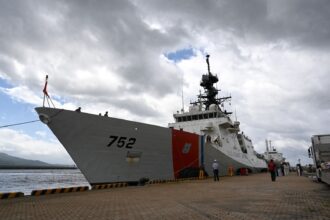
Wednesday’s explosive escalation follows twenty-four hours of intense kinetic exchanges. On Tuesday, September 8, U.S. carrier strike aircraft and guided-missile destroyers targeted and destroyed five illicit Iranian oil tankers attempting to run international blockades in the Northern Arabian Gulf. Pentagon officials stated those strikes were launched in direct retaliation for previous ballistic missile attacks aimed at American naval patrols.
The destruction of the five tankers marked a major escalation from earlier confrontations, expanding upon previous naval intercepts where U.S. forces neutralized three armed Iranian tankers during maritime security sweeps. Rather than deterring Tehran, the strikes triggered an immediate IRGC announcement expanding their declared maritime exclusion zone across the narrow Strait of Hormuz.
Independent maritime security firm Ambrey reported that three commercial vessels suffered hull breaches and propulsion failures in the Gulf of Oman, with international shipping syndicates advising commercial vessels to hold in port until armed naval escorts can be deployed.
Global Energy Shock: Crude Surges Past $100 a Barrel
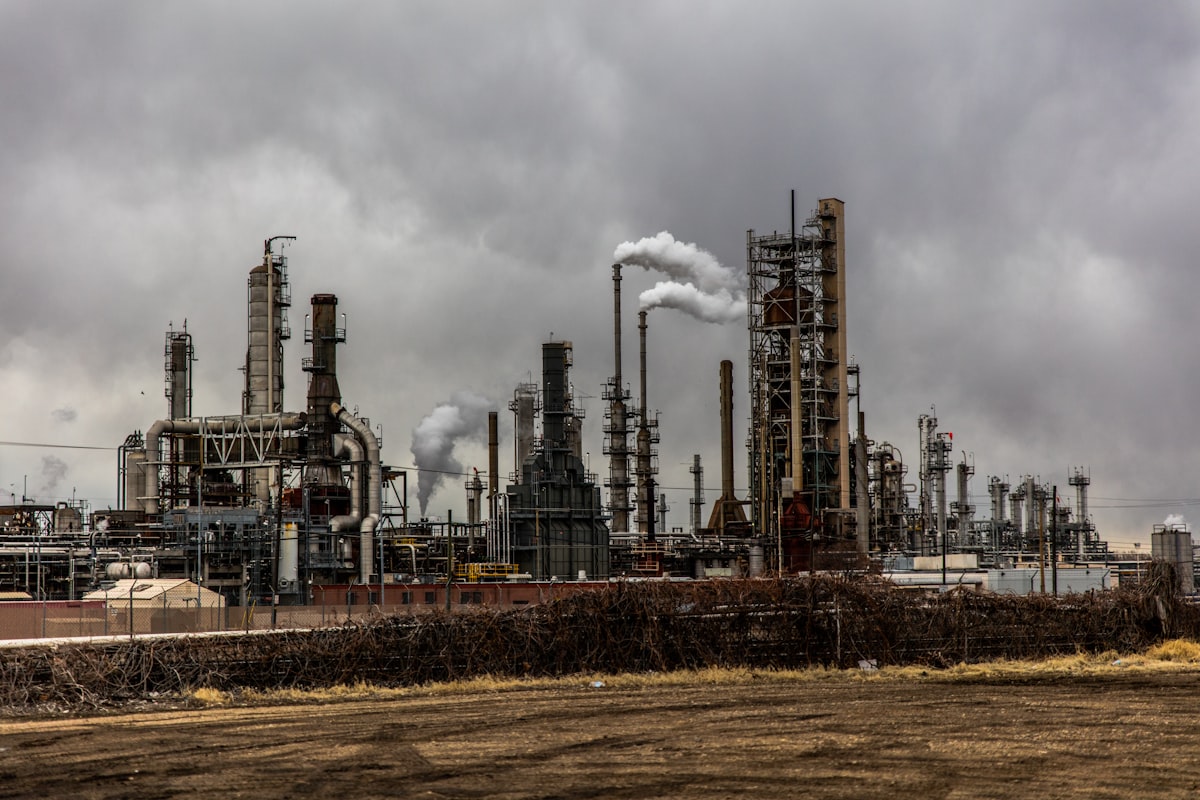
Energy commodities reacted with violent upward volatility. Brent crude spiked over 6.5% during morning trading, breaking through the psychologically critical $100 mark, while U.S. West Texas Intermediate (WTI) climbed to $97.80. Approximately 20% of global petroleum consumption transits the narrow twenty-mile chokepoint of Hormuz daily, meaning any sustained closure threatens acute worldwide supply shortages.
The spike compounds severe domestic fuel price pressures that have already created political headwinds across the United States. With diesel fuel already setting all-time highs as documented in warnings over record transportation fuel spikes, elevated crude benchmarks threaten to rapidly push retail gasoline prices toward $4.50 a gallon just weeks before national elections.
The economic volatility also intersects with the administration’s aggressive economic offensive, which has sought to strangle Iranian energy revenues through sweeping global secondary sanctions targeting foreign purchasers. Analysts warn that if Tehran continues targeting commercial shipping, the resulting oil price spike could provide the regime with a temporary windfall on its illicit shadow-fleet exports.
White House Weighs Armed Convoy Escorts
National Security Council officials met in the Situation Room Wednesday morning to review military options. Defense officials indicated that the Fifth Fleet is preparing to resurrect armed convoy operations reminiscent of Operation Earnest Will, deploying guided-missile destroyers and maritime patrol aircraft to escort commercial tankers through the strait.
“The United States military will defend the freedom of navigation and protect international commerce from lawless state-sponsored piracy,” a Pentagon spokesperson said during a press briefing. “The Iranian regime will be held directly accountable for any loss of civilian life or disruption to global waterways.”
With maritime insurance underwriters canceling war-risk coverage for uninsured vessels operating in the region, the geopolitical crisis in the Persian Gulf threatens to dominate the closing weeks of the 2026 political calendar.
Sources
U.S. Central Command (CENTCOM) — Official Operational Update: Persian Gulf and Strait of Hormuz Defense Actions
https://www.centcom.mil
CBS News — Oil Spikes Above $100 as Iran Attacks Vessels in Strait of Hormuz Standoff
https://www.cbsnews.com
The Guardian — Persian Gulf Escalation: Seafarer Dead After Strikes on Merchant Shipping
https://www.theguardian.com