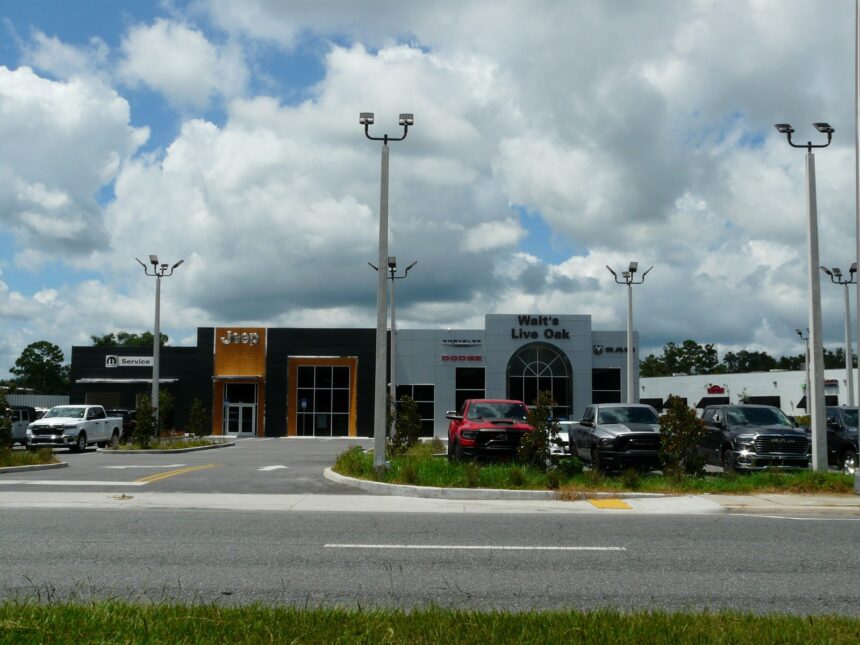
By weaponizing Corporate Average Fuel Economy penalties under 49 U.S. Code § 32902 and tailpipe quotas under 42 U.S. Code § 7521, federal regulators have killed off the affordable entry-level family car and pushed average new vehicle prices near $49,000.
OPINION — Walk onto any suburban auto dealership lot in Ohio, Texas, or Michigan today, and one number immediately jumps off the window stickers: the affordable American family car has virtually ceased to exist. Just a decade ago, domestic and foreign automakers offered more than thirty distinct compact sedans, station wagons, and basic work-ready pickup trucks with manufacturer suggested retail prices below $22,000. Today, the average transaction price for a new light-duty vehicle in the United States hovers near $49,000, while the average monthly new-car loan payment exceeds $740.
When defenders of the administrative state are asked why a young married couple or a self-employed plumber can no longer afford a brand-new vehicle, they invariably blame corporate greed or lingering semiconductor supply adjustments. What they refuse to acknowledge is that Washington’s own web of federal fuel-economy formulas under 49 U.S. Code § 32902, Clean Air Act tailpipe mandates under 42 U.S. Code § 7521, and compulsory sensor requirements have systematically engineered the affordable gasoline vehicle out of existence.
By imposing billions of dollars in civil compliance penalties on manufacturers that build simple, naturally aspirated internal-combustion vehicles, federal regulators have turned a basic necessity of American mobility into a luxury good reserved for the upper middle class.
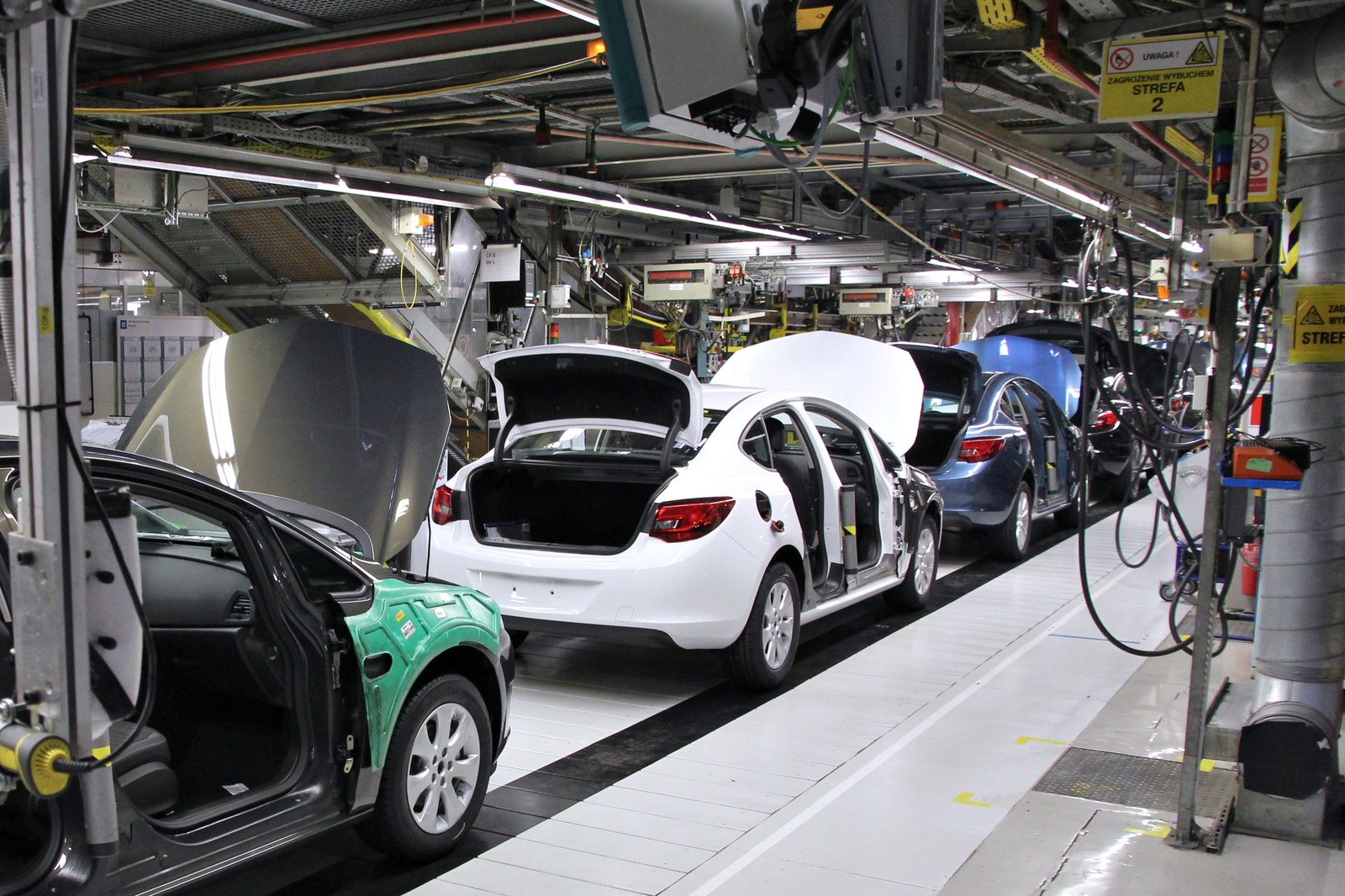
How CAFE Footprint Formulas Under 49 CFR Part 531 Killed the Entry-Level Car
To understand why automakers stopped building basic $20,000 sedans and compact two-wheel-drive work trucks, one must examine the perverse mathematical incentives embedded in Corporate Average Fuel Economy (CAFE) regulations administered under 49 U.S. Code § 32902 and codified at 49 CFR Part 531. Under the “footprint-based” CAFE curve, a vehicle’s mandatory fuel-economy target is calculated based on the rectangular area between its four wheels: smaller-footprint cars face drastically stricter miles-per-gallon mandates than larger-footprint vehicles.
Combined with overlapping EPA tailpipe emissions rules under 42 U.S. Code § 7521, this regulatory regime has inflicted three compounding cost shocks on American drivers:
- Elimination of Low-Margin Affordable Models: Because a compact sedan faces nearly unattainable fleet-average fuel economy targets under 49 CFR Part 531, automakers must either load it with expensive hybrid drivetrains—erasing its affordability—or discontinue the compact car altogether and shift production exclusively toward $60,000 luxury crossovers and full-size trucks that carry wider profit margins to absorb regulatory compliance costs.
- Mandatory Powertrain Complexity and Repair Inflation: In a desperate bid to squeeze out fractional laboratory test-cycle gains under 42 U.S. Code § 7521, manufacturers have replaced durable, easily serviced V6 and V8 engines with high-pressure miniature turbocharged engines, complex 10-speed transmissions, cylinder-deactivation solenoids, and stop-start starter systems that cost thousands of dollars to repair once a vehicle passes 80,000 miles.
- Hidden Cross-Subsidies Through Regulatory Credits: Under federal fleet-averaging rules, traditional automakers must purchase billions of dollars in regulatory compliance credits or subsidize money-losing electric vehicle lines by hiking the sticker price of every gasoline-powered pickup truck and family SUV by $3,500 to $6,000.
This pattern of bureaucratic central planning driving up everyday living costs for working families echoes the same regulatory failures seen across the broader economy, from federal forestry paralysis driving up Western lumber and homeowner insurance costs to Department of Labor rules threatening independent owner-operator truckers.
The Real-World Consequence: An Aging Fleet and Soaring Repair Bills
Ironically, Washington’s crusade to force working-class consumers out of affordable gasoline vehicles has achieved the exact opposite of its stated environmental and safety goals. Because middle- and lower-income households cannot qualify for a $49,000 auto loan at 8 percent interest, they are holding onto older vehicles longer than ever before—pushing the average age of passenger cars and light trucks on American highways to a record 12.6 years.
Meanwhile, mandated bumper-mounted radar arrays, windshield ADAS calibration cameras, and aluminum body panels have caused even minor 15-mile-per-hour parking-lot fender-benders to generate $4,500 body-shop repair bills. In response, auto insurers have raised comprehensive and collision premiums by more than 42 percent over the past three years, hitting young workers and rural commuters with a double blow of inflated car payments and skyrocketing insurance bills.
Restoring Consumer Choice Under 49 U.S. Code § 32902
Reversing the affordability crisis on American dealership lots does not require government subsidies; it requires regulatory humility. First, the National Highway Traffic Safety Administration must reset 49 CFR Part 531 to strictly follow the statutory command of 49 U.S. Code § 32902(f), which requires fuel-economy standards to be “economically practicable” and explicitly prohibits NHTSA from factoring electric-only vehicles into the baseline feasibility of gasoline fleet standards.
Second, Congress should repeal administrative tailpipe quotas under 42 U.S. Code § 7521 that penalize automakers for building reliable, naturally aspirated internal-combustion vehicles. American families—not unaccountable agency rulewriters in Washington—should decide whether a hybrid, an electric vehicle, or an affordable, dependable gasoline truck best fits their household budget and daily commute.
Sources & Official Documentation
- Legal Information Institute (Cornell Law School) – 49 U.S. Code § 32902 – Corporate Average Fuel Economy (CAFE) Standards and Economic Practicability Requirements
- Legal Information Institute (Cornell Law School) – 42 U.S. Code § 7521 – Clean Air Act Emission Standards for New Motor Vehicles and Engines
- Electronic Code of Federal Regulations (eCFR) – 49 CFR Part 531 – NHTSA Passenger Automobile Average Fuel Economy Standards and Footprint Curves