Approved by a 54-5 bipartisan vote, the legislation authorizes $4.8 billion in Consolidated Rail Infrastructure grants under 49 U.S. Code § 22907 while modernizing automated track inspection standards under 49 CFR Part 213.
WASHINGTON — The House Committee on Transportation and Infrastructure voted 54-5 to advance the bipartisan Freight Rail and Intermodal Corridor Modernization Act of 2026, a major supply-chain and rail-safety package designed to expand short-line agricultural rail capacity, eliminate congested highway-rail grade crossings, and modernize federal track inspection regulations across the nation’s 140,000-mile freight rail network.
By reauthorizing and streamlining the Consolidated Rail Infrastructure and Safety Improvements (CRISI) grant program under 49 U.S. Code § 22907 and updating Federal Railroad Administration (FRA) rulemaking guidelines under 49 U.S. Code § 20103, the legislation redirects federal transportation funds away from stalled urban transit studies and directly into heavy-axle-load freight tracks, inland intermodal terminals, and coastal port rail on-dock connections.
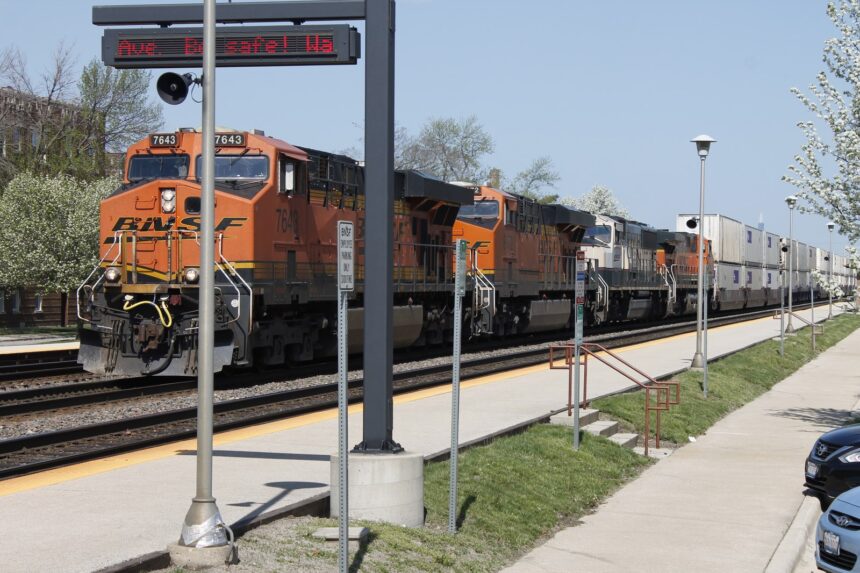
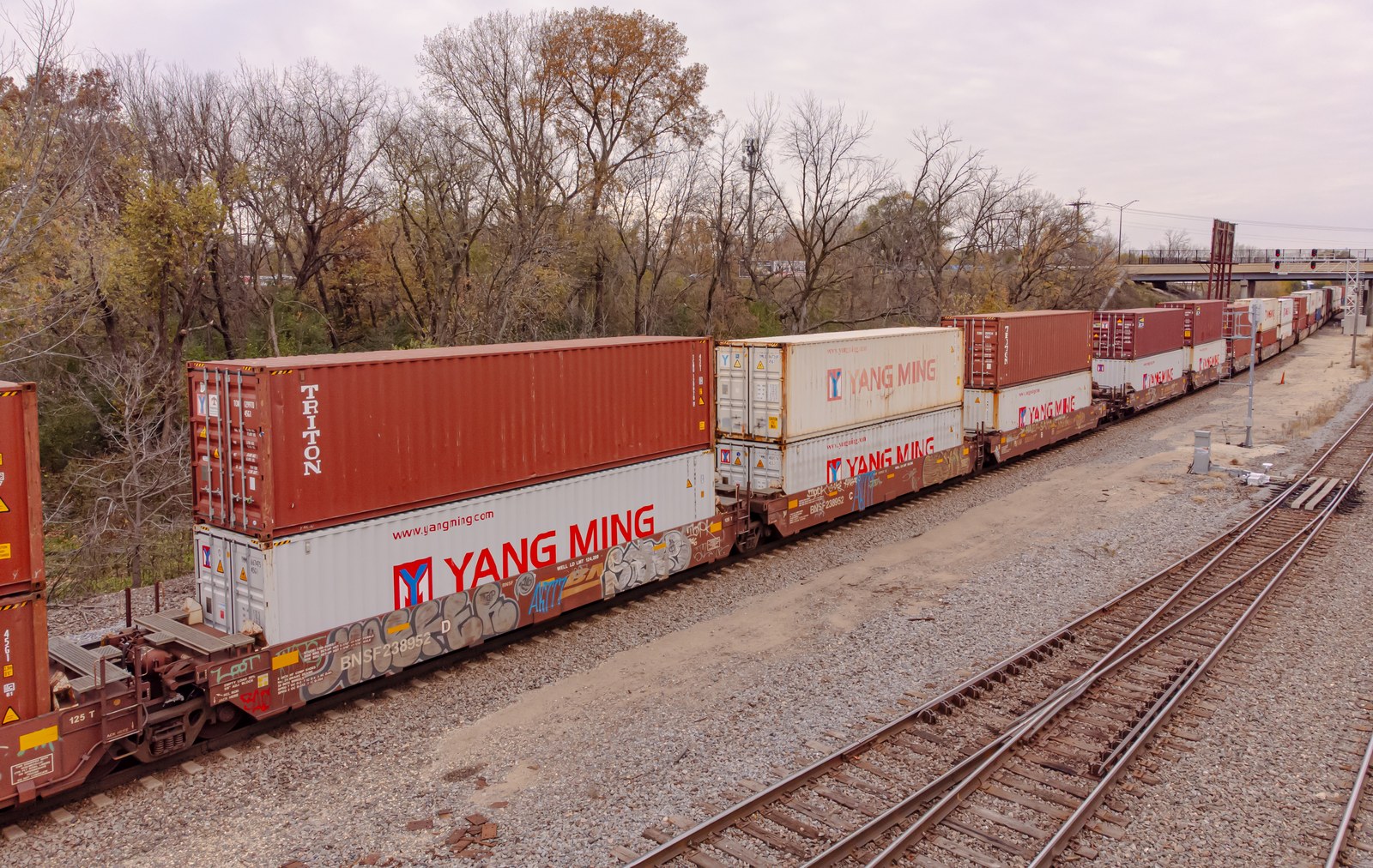
Freight railroads move roughly 40 percent of all long-distance intercity cargo volume in the United States—including bulk grain, domestic steel, chemical fertilizers, coal, and finished automobiles. Yet manufacturing and agricultural shippers have repeatedly testified that aging bridges on Class II and Class III short-line railroads and multi-year permitting delays for siding extensions have bottlenecked domestic supply chains.
Expanding CRISI Infrastructure Grants Under 49 U.S. Code § 22907
A central priority of the bipartisan committee bill is ensuring that small and regional short-line railroads—which connect thousands of rural grain elevators, lumber mills, and manufacturing plants to Class I mainline trunk corridors—receive a guaranteed share of federal rail infrastructure investments without being buried in bureaucratic grant compliance costs.
The legislation establishes three major statutory and regulatory upgrades for America’s freight rail network:
- $4.8 Billion Dedicated Freight and Short-Line CRISI Allocation (49 U.S. Code § 22907): Authorizes $4.8 billion over three years for Consolidated Rail Infrastructure and Safety Improvements grants, dedicating a minimum of 35 percent of funds to rural and short-line track rehabilitation capable of handling standard 286,000-pound heavy freight railcars.
- Automated Ultrasound and Laser Track Inspection Integration (49 CFR Part 213): Directs the Federal Railroad Administration under 49 U.S. Code § 20103 to update Track Safety Standards at 49 CFR Part 213 to formally credit continuous locomotive-mounted laser geometry and ultrasonic rail-flaw detection alongside visual human inspections, catching internal steel rail defects before derailments occur.
- 90-Day Permitting Shot-Clock for Siding and Grade-Crossing Projects: Establishes categorical environmental exclusions for passing-siding extensions, bridge replacements, and highway-rail grade separations constructed entirely within existing railroad rights-of-way.
The Transportation Committee’s overwhelming 54-5 vote adds to a string of bipartisan supply-chain and industrial infrastructure bills advancing on Capitol Hill, following Friday’s Senate committee approval of the bipartisan Veterans Healthcare Choice and Accountability Act and Thursday’s House Agriculture Committee passage of the Farm Credit and Fertilizer Supply Act.
Modernizing FRA Safety Rules Under 49 U.S. Code § 20103
During committee deliberations, lawmakers from both parties criticized outdated FRA administrative policies that discouraged railroads from deploying automated track inspection (ATI) cars equipped with high-speed ultrasound sensors. Engineering studies reviewed by the committee demonstrated that automated inspection systems operating at normal freight speeds detect microscopic internal rail head fissures and track gauge variations up to three times more reliably than manual walking inspections alone.
By codifying a dual-layer safety framework under 49 CFR Part 213 that pairs union track maintenance crews with continuous automated telemetry and wayside hot-bearing acoustic detectors, the bill simultaneously strengthens derailment prevention around small towns and increases mainline freight velocity.
“Every new domestic factory, steel mill, and grain cooperative we build in the heartland depends on reliable, high-capacity freight rail to reach domestic consumers and global export markets,” the House Transportation and Infrastructure Committee Chairman said after the vote. “This bipartisan legislation clears away regulatory red tape and invests directly in the physical tracks, bridges, and intermodal yards that keep American commerce moving.”
Coalition Endorsements and Schedule for House Floor Passage
The bill garnered immediate support from the Association of American Railroads, the American Short Line and Regional Railroad Association, the National Grain and Feed Association, and the National Association of Manufacturers. Supply-chain analysts projected that upgrading short-line bridges to handle 286,000-pound railcars will reduce agricultural and industrial shipping costs by up to 14 percent across rural corridors in the Midwest and Plains states.
House leadership announced that the Freight Rail and Intermodal Corridor Modernization Act is slated for full House floor consideration later this month, where it is expected to pass with broad bipartisan support before moving to the Senate Committee on Commerce, Science, and Transportation.
Sources & Official Documentation
- Legal Information Institute (Cornell Law School) – 49 U.S. Code § 22907 – Consolidated Rail Infrastructure and Safety Improvements (CRISI) Grant Program
- Legal Information Institute (Cornell Law School) – 49 U.S. Code § 20103 – General Authority of the Secretary of Transportation Over Railroad Safety Standards
- Electronic Code of Federal Regulations (eCFR) – 49 CFR Part 213 – Federal Railroad Administration Track Safety Standards and Inspection Protocols