Energy Secretary Chris Wright addressed nationwide fuel price shocks over Labor Day as diesel hit an all-time record $5.90 per gallon amid Persian Gulf naval escalation.
WASHINGTON — Energy Secretary Chris Wright confronted mounting economic concerns over national fuel costs as commercial diesel prices surged to an all-time record average of $5.90 per gallon over Labor Day weekend, driven by intensifying military confrontations in the Persian Gulf and global refinery bottlenecks.
With regular retail gasoline averaging $4.13 per gallon nationwide, Secretary Wright defended the administration’s energy posture during weekend policy briefings, confirming that the Department of Energy has eased environmental processing restrictions to enable domestic refiners to maximize diesel and gasoline output using existing distillation capacity.
Geopolitical Conflict in Persian Gulf Disrupts Global Shipping Lanes
Addressing the underlying catalysts for the fuel spike, Secretary Wright cited ongoing maritime security operations in the Middle East following kinetic strikes in the Persian Gulf where U.S. forces destroyed three Iranian oil tankers in response to ballistic missile attacks on Navy warships. The naval clashes and increased war-risk insurance premiums across the Strait of Hormuz have restricted global crude flows and tightened maritime transit schedules.
Wright also pointed to broader international supply contractions, noting that extensive infrastructure damage to Russian refineries has transformed Russia from a major global diesel exporter into a net importer, intensifying competition for refined middle distillates across European and Atlantic markets.
“We are utilizing every regulatory lever available to ensure American refiners operate at maximum capacity,” Secretary Wright stated during an interview on national energy policy. “While fuel prices are more likely to moderate as the peak summer travel season concludes, global geopolitical stability remains the critical variable.”
The Department of Energy indicated that domestic refinery utilization rates currently exceed 93 percent, but sudden maintenance shutdowns and unseasonal heat waves along the Gulf Coast have constrained throughput just as commercial demand spikes.
The energy market turbulence follows a series of assertive federal financial measures, including aggressive international moves where Treasury Secretary Bessent unveiled secondary sanctions targeting covert Iranian petroleum transit networks.
Freight and Agricultural Sectors Sound Alarm Ahead of Harvest
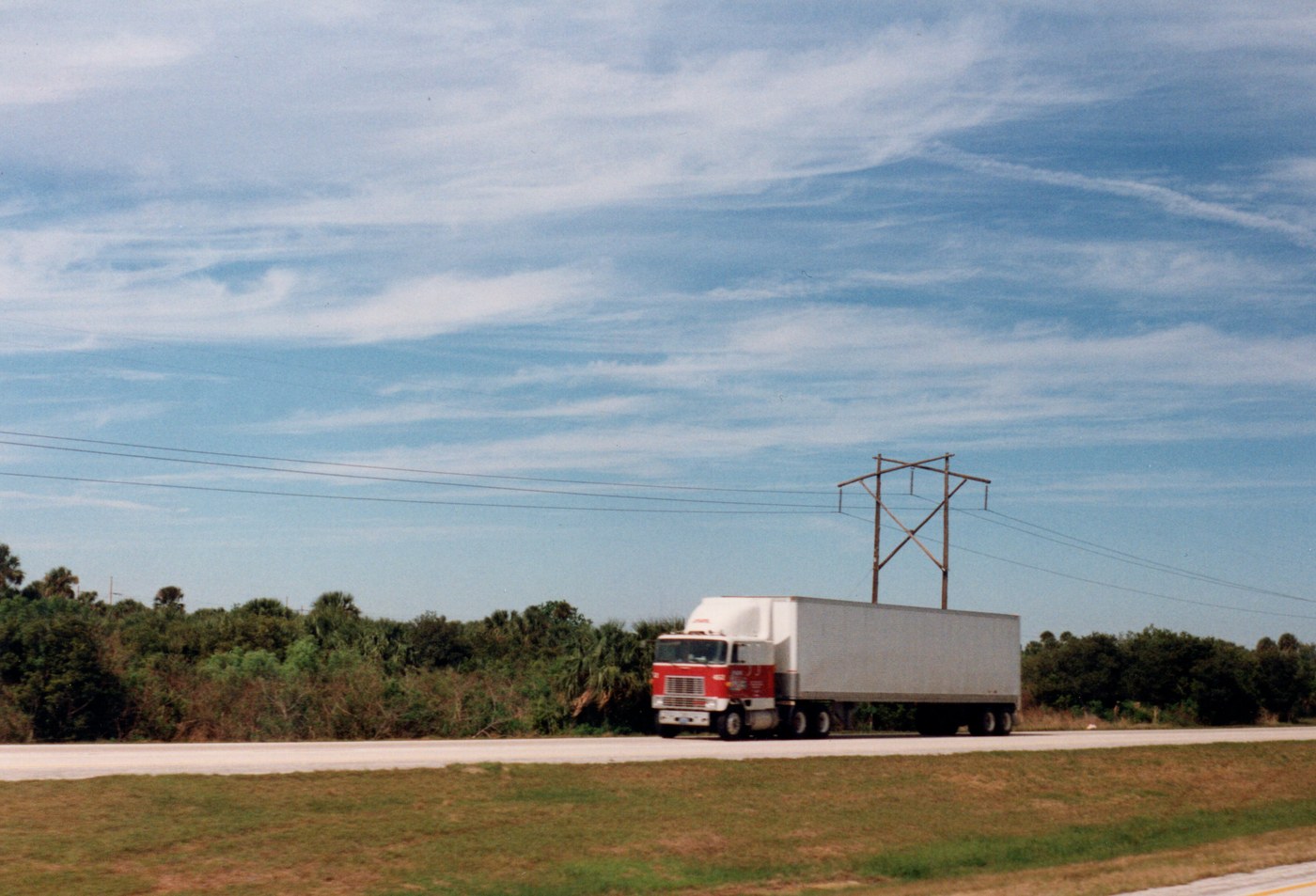
The unprecedented surge in diesel prices poses an immediate financial threat to the commercial trucking, freight logistics, and agricultural sectors. With the autumn crop harvest getting underway across the Midwest and Great Plains, farmers and transport operators warned that elevated fuel overhead will inevitably ripple into consumer grocery prices and retail supply chains.
The American Trucking Associations and regional agricultural cooperatives called for emergency fuel relief measures, emphasizing that independent owner-operators and small carrier fleets face unsustainable operating cost spikes with diesel approaching $6.00 per gallon in several western and northeastern states.
Fleet operators noted that fuel accounts for more than 30 percent of total commercial trucking operating costs, forcing carriers to impose emergency fuel surcharges that directly raise shipping expenses for wholesale food distributors and manufacturing suppliers.
The fuel crunch comes as the administration accelerates domestic energy permitting, following recent court victories where a federal judge tossed environmental lawsuits over Alaska offshore drilling.
Energy market economists estimate that every ten-cent increase in sustained diesel costs adds billions of dollars in cumulative freight transportation overhead across the national supply chain, impacting consumer shelf prices for everyday household goods.
Diplomatic Realities and Long-Term Energy Strategy
Secretary Wright acknowledged the diplomatic complexity surrounding energy security, noting that a comprehensive diplomatic settlement with Iran regarding maritime transit and nuclear ambitions may ultimately have to await fundamental political changes in Tehran. He affirmed that U.S. military forces remain fully authorized to protect commercial navigation corridors throughout the Persian Gulf.
The Department of Energy announced it is closely monitoring domestic inventory levels through the Energy Information Administration (EIA) while coordinating with commercial refinery operators to expedite scheduled autumn maintenance turnarounds and expand domestic pipeline throughput.
As inflation and energy costs remain dominant concerns for voters alongside ongoing midterm campaign debates, the administration’s management of the fuel crisis will play a central role in economic policy debates ahead of November.
Sources
- U.S. Department of Energy — Official Briefing on Domestic Refining Capacity and Fuel Markets: https://www.energy.gov/newsroom
- U.S. Energy Information Administration — Weekly Petroleum Status and Retail Gasoline/Diesel Index: https://www.eia.gov/petroleum/gasdiesel/
- CBS News — Energy Secretary Chris Wright Addresses Labor Day Fuel Price Surges and Middle East Risks: https://www.cbsnews.com/news/
- The Washington Post — Diesel Prices Hit Record Levels as Persian Gulf Geopolitical Tensions Escalate: https://www.washingtonpost.com/