Mortgage rates surged to an average of 7.42% on Tuesday, September 22, 2026, as Federal Reserve Vice Chair Philip N. Jefferson delivered a major policy address warning that persistent services inflation and structural debt pressures require borrowing costs to remain elevated.
Speaking at a banking conference in Washington, Vice Chair Jefferson emphasized that while headline goods inflation has moderated from previous peaks, underlying price pressures in housing, transportation, and consumer services continue to run uncomfortably above the central bank’s 2% target. The address follows the Federal Open Market Committee’s recent decision to raise the federal funds rate by 25 basis points to a target range of 3.75%–4.00%, signaling that the era of near-zero borrowing costs has conclusively ended.
The immediate fallout was felt across the residential mortgage market. According to national lending index data released Tuesday, the average 30-year fixed-rate mortgage jumped to 7.42%, while 15-year fixed loans climbed to 6.68%, adding hundreds of dollars to monthly payments for prospective homebuyers and locking existing homeowners into current properties.
Jefferson’s Policy Warning: Sticky Inflation and Treasury Liquidity
In his prepared remarks, Vice Chair Jefferson focused on the dual challenges of managing inflation expectations while maintaining stability across U.S. Treasury debt markets. Jefferson highlighted ongoing operational reforms to the Fed’s discount window, urging commercial depository institutions to maintain active liquidity readiness to prevent abrupt credit contractions.
“Monetary policy must remain appropriately restrictive until evidence conclusively demonstrates that inflation is returning sustainably toward our statutory mandate,” Jefferson stated. “Premature policy easing risks entrenching inflationary dynamics, particularly in labor-intensive services and shelter costs.”
The hawkish stance aligns with earlier policy signals from the Federal Reserve Board of Governors, echoing the cautious macroeconomic framework articulated during Fed Chair Warsh’s Jackson Hole address emphasizing that rate hikes remain on the table. Combined with acute energy commodity pressures detailed in warnings over record transportation fuel prices, persistent price increases continue to strain middle-class household budgets.
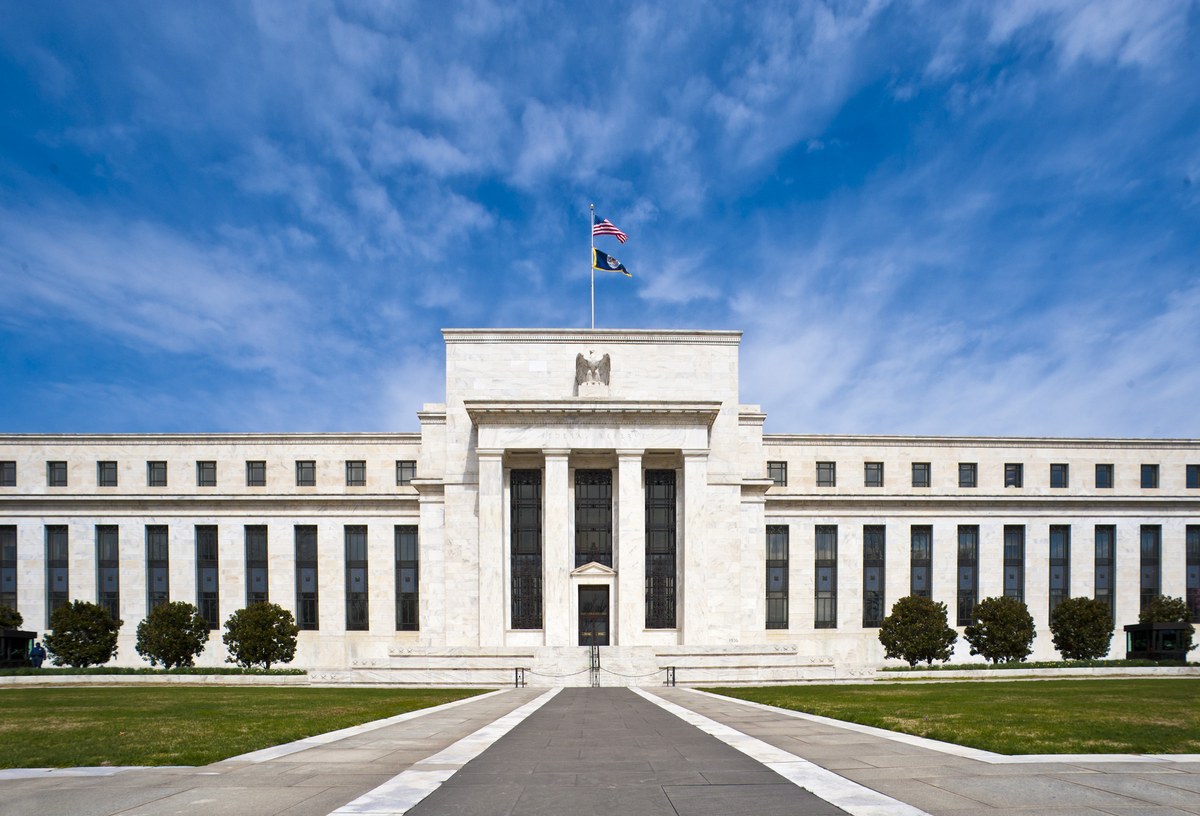
The Housing Freeze: Affordability Crisis Deepens
The climb in borrowing costs has compounded what real estate economists describe as a nationwide “lock-in effect.” Over 75% of existing American mortgage holders carry interest rates below 4%, creating an immense financial disincentive to sell homes and purchase alternative properties at prevailing 7.4% rates. As a result, active housing inventory across major metropolitan markets remains severely constrained, keeping median home sale prices elevated despite declining transaction volumes.
First-time homebuyers face the steepest hurdles. Monthly principal and interest payments on a median-priced $420,000 home now exceed $2,900 before accounting for property taxes and property insurance premiums, pricing millions of young families and wage earners out of conventional homeownership.
The economic headwinds intersect with wider corporate cash flow disruptions across commercial supply chains, which have prompted bipartisan congressional calls to release frozen importer tariff refunds to inject working capital back into the domestic economy.
Midterm Economic Debate: Inflation vs. Borrowing Costs
The resurgence of high interest rates has injected renewed economic volatility into the final sprint of the 2026 midterm campaigns. Republican candidates are framing elevated borrowing costs as the direct consequence of federal budget deficits and excessive government spending, pointing to central bank rate hikes as necessary medicine to curb monetary expansion.
Conversely, Democratic campaigns are attacking the central bank’s aggressive posture, arguing that prolonged high interest rates disproportionately punish working families seeking housing and car loans while enriching commercial financial institutions. With housing affordability consistently ranking among voters’ top economic concerns, candidates across both parties are preparing targeted housing proposals ahead of November.
The Federal Open Market Committee is scheduled to convene for its next two-day policy summit on November 4–5, immediately following the national midterm elections, where policymakers will assess updated employment and inflation data before deciding on their final interest rate actions of the year.
Sources & Official Documentation
- Freddie Mac – Primary Mortgage Market Survey (PMMS) Official Rates and Methodology
- Legal Information Institute (Cornell Law) – 12 U.S. Code § 225a – Maintenance of Long Run Growth in Monetary and Credit Aggregates
- Legal Information Institute (Cornell Law) – 12 U.S. Code § 248 – Board of Governors of the Federal Reserve System Powers and Policy Duties