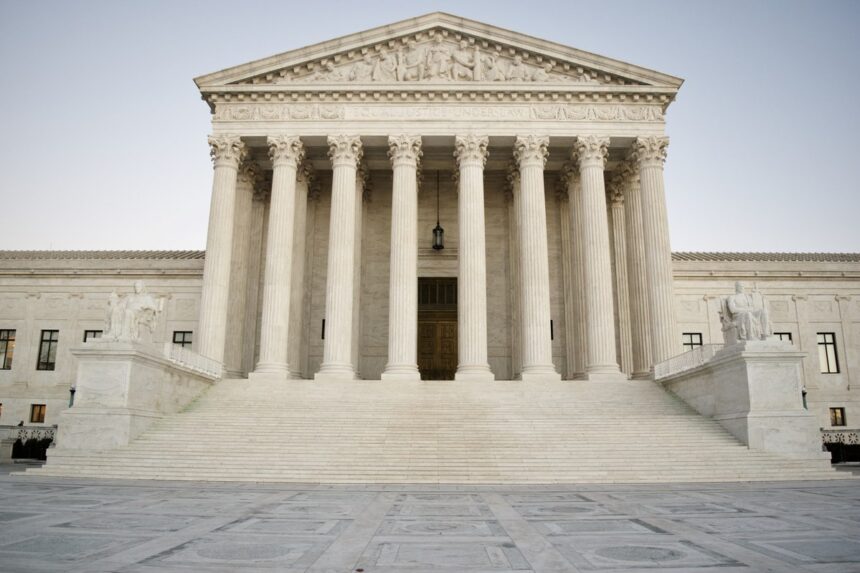
The high court docketed an emergency challenge brought by student civil liberties groups, setting up the most significant constitutional test of classroom speech and digital surveillance in half a century.
WASHINGTON — The Supreme Court of the United States on Friday afternoon granted an emergency application for review in a high-stakes constitutional challenge contesting statewide prohibitions on student smartphones and internet-connected devices in public school classrooms. The emergency docket order sets the stage for oral arguments that will define the boundary between school disciplinary authority and constitutional student speech in the digital age.
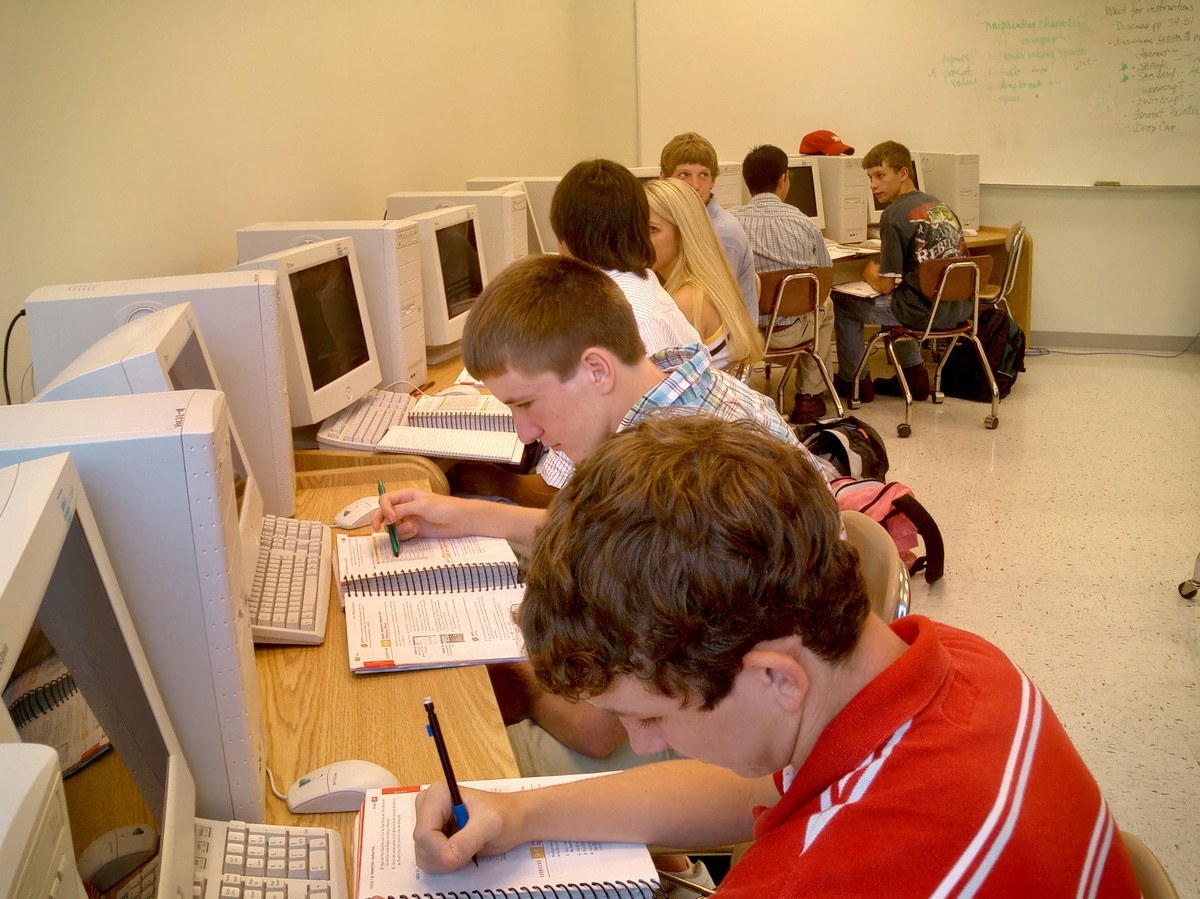
The litigation stems from an emergency petition filed by a coalition of parents, civil liberties organizations, and high school student advocacy associations following conflicting appellate rulings across federal circuits. Over the past twenty-four months, more than twenty state legislatures—spanning California, Florida, Ohio, Indiana, and Texas—have enacted mandatory “bell-to-bell” electronic device bans requiring students to power down phones or deposit them into secure electromagnetic pouches upon entering public school property.
The high court’s intervention comes after the U.S. Court of Appeals for the Fourth Circuit upheld a Virginia statewide restriction, while the Ninth Circuit temporarily enjoined portions of an identical mandate in California on First Amendment and parental due process grounds. By granting expedited review, the Supreme Court aims to provide nationwide constitutional clarity before the upcoming spring school semester.
The Clash Between Classroom Order and the First Amendment
At the center of the constitutional dispute is the interpretation of the Supreme Court’s landmark 1969 decision in Tinker v. Des Moines Independent Community School District, which famously established that neither students nor teachers “shed their constitutional rights to freedom of speech or expression at the schoolhouse gate.”
Attorneys challenging the state laws contend that modern smartphones are not mere recreational distractions, but primary instruments of political expression, journalistic documentation, and protected expressive speech. They argue that categorical bans restrict students from recording unlawful bullying, capturing excessive administrative force, accessing independent educational literature, or communicating during safety crises.
State attorneys general defending the statutes argue that mobile devices have inflicted catastrophic harm on academic achievement, adolescent mental health, and classroom safety. Citing voluminous peer-reviewed neurological data, state briefs detail how continuous algorithmic notifications and social media consumption induce acute learning deficits, enable rampant academic dishonesty, and generate pervasive peer harassment that substantially disrupts normal educational operations—directly meeting the disruption threshold established under Tinker.
Parental Rights and Emergency Access Concerns
The case has also split parent advocacy organizations nationwide. While teacher associations and school administrator groups have overwhelmingly praised smartphone bans for restoring teacher authority and student focus, several parental rights groups have joined the legal challenge, arguing that categorical bans violate their Fourteenth Amendment fundamental right to maintain immediate contact with their children during campus security incidents.
In their filings before the Supreme Court, petitioning parents cited real-time lockdown scenarios where instant cellular communication provided vital reassurance and life-saving coordination. Conversely, state school safety experts submitted amicus briefs demonstrating that hundreds of simultaneous phone calls during active drills overwhelm local emergency dispatch lines, broadcast student positions, and impede first responder tactical operations.
This high-profile dispute follows previous major federal judicial actions on government institutional authority and constitutional safeguards, reminiscent of recent emergency rulings on state regulatory mandates and statutory authorities decided on the high court’s emergency docket.
Expedited Schedule and National Implications
Under the emergency briefing schedule published by Supreme Court Clerk Scott Harris, merits briefs from all participating parties must be filed by October 28, 2026, with amicus curiae submissions due within the subsequent ten days. Oral argument has been tentatively scheduled for the court’s December argument session.
Legal scholars anticipate the case will yield one of the most consequential educational jurisprudence rulings in decades. A definitive ruling affirming state authority would give green lights to nationwide school district lockouts of mobile technology, whereas a ruling establishing constitutional protection for portable devices could force thousands of public school districts to rewrite student codes of conduct nationwide.
Sources & Official Documentation
- Legal Information Institute (Cornell Law School) – 20 U.S. Code § 7901 – Elementary and Secondary Education Act: Maintenance of Effort and School Safety Standards
- Legal Information Institute (Cornell Law School) – U.S. Constitution, Amendment I – Freedom of Speech and Expression in Public Educational Institutions
- Oyez Supreme Court Archive – Tinker v. Des Moines Independent Community School District (393 U.S. 503) – Constitutional Precedent on Student Expression