The executive directive closes administrative foreign-waiver loopholes under 46 U.S. Code § 55102 and mobilizes $2.4 billion in federal ship financing guarantees for vessels built with 100 percent American-melted hull plate.
WASHINGTON — President Donald Trump on Thursday signed an executive directive ordering the Department of Commerce, the Department of Transportation’s Maritime Administration (MARAD), and the Department of Homeland Security to enforce strict domestic steel and component verification across all coastwise commercial vessels operating under the Merchant Marine Act of 1920, commonly known as the Jones Act.
Paired with a simultaneous mobilization of $2.4 billion in federal ship construction loan guarantees authorized under Title XI of the Merchant Marine Act (46 U.S. Code § 53702), the directive represents the most sweeping federal intervention to revitalize American commercial shipyards and marine steel mills since the 1980s.
Under the statutory mandate of 46 U.S. Code § 55102, maritime cargo transported between two points within the United States must be carried aboard vessels that are built in the United States, owned by American citizens, and crewed by American mariners. However, domestic shipbuilders and steelworkers have long warned that lax administrative interpretations allowed vessel operators to import prefabricated foreign steel sub-assemblies and obtain routine administrative waivers that hollowed out domestic drydock capacity.
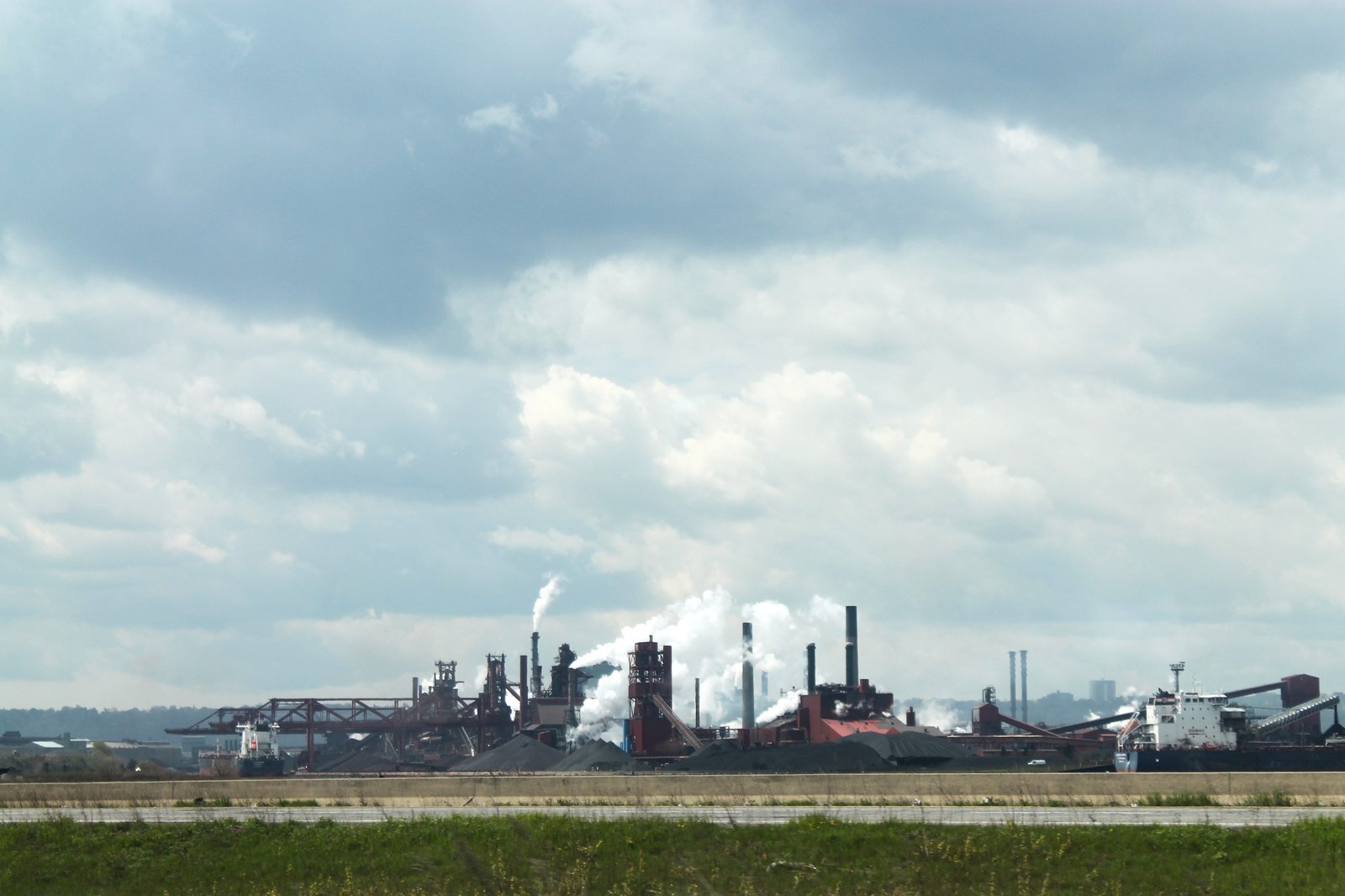
Enforcing the “Melted and Poured” Standard Under 46 U.S. Code § 55102
At the core of Thursday’s presidential directive is a binding regulatory instruction redefining what constitutes a domestically built vessel for both coastwise trade eligibility and federal financing. Beginning immediately, the U.S. Coast Guard National Vessel Documentation Center and MARAD will apply a strict “melted, poured, and rolled” origin standard to all structural hull plate, keel girders, and propulsion shafting.
Previously, regulatory loopholes permitted shipyards to import semi-finished steel slabs smelted in foreign state-subsidized blast furnaces and perform only final rolling or welding inside the United States while still claiming domestic construction status. The new directive closes that loophole completely, requiring certified metallurgical mill test reports proving that raw iron ore reduction and steelmaking occurred inside American mills.
- $1.2 Billion for Commercial Tanker and LNG Bunkering Fleets: Title XI obligation guarantees prioritized for domestic drydocks constructing double-hulled coastal petroleum tankers and liquefied natural gas (LNG) articulated tug-barges.
- $750 Million for Shipyard Drydock Modernization: Capital grants and guaranteed credit facilities under 46 CFR Part 298 for automated robotic panel-welding lines, heavy gantry cranes, and graving dock expansions along the Gulf Coast, Great Lakes, and Atlantic seaboard.
- $450 Million for Domestic Marine Propulsion Engines: Dedicated supply chain financing to reshore the casting and machining of medium-speed marine diesel engines, reduction gears, and bronze ship propellers.
This maritime industrial push directly complements Wednesday’s executive order invoking the Defense Production Act to expand domestic rare earth refining and permanent magnet production, as well as the House’s bipartisan approval of the $25 billion Supply Chain Reshoring Act.
Curbing Administrative Waivers and Revitalizing Strategic Sealift
In addition to tightening steel procurement rules, the directive instructs the Secretary of Homeland Security to overhaul the administrative waiver process. For years, commodity traders routinely petitioned for emergency Jones Act waivers to charter foreign-flagged tankers during seasonal pipeline maintenance, undercutting long-term charter rates for American maritime operators and discouraging private capital from ordering new U.S.-built vessels.
Under the revised protocol, no Jones Act waiver may be granted unless the Secretary of Defense formally certifies an active national defense sealift emergency and MARAD verifies in writing that zero American-flagged vessels are available within the relevant maritime basin. Every waiver application will be subject to a mandatory public disclosure log to prevent behind-the-scenes lobbying by foreign shipping conglomerates.
“A great naval and commercial power cannot rely on foreign shipyards and foreign steel mills to move its own energy and commerce along its own coastlines,” President Trump declared from the White House. “We are putting American shipwrights, American welders, and American steelworkers back at the helm. Every ship financed by American taxpayers or sailing between American ports will be built from the keel up with 100 percent American steel.”
Deploying Title XI Obligation Guarantees Under 46 CFR Part 298
To ensure that domestic shipowners can finance new vessel orders at competitive interest rates, the directive orders MARAD to streamline application reviews under the Title XI Federal Ship Financing Program (46 U.S. Code § 53702 and 46 CFR Part 298). By providing a full-faith-and-credit federal guarantee on commercial shipbuilding bonds with maturities of up to 25 years, the program reduces annual debt-service costs for American fleet operators by up to 40 percent compared to unguaranteed commercial maritime loans.
MARAD is instructed to clear its existing backlog of pending Title XI applications within 45 calendar days. Industry leaders from the Shipbuilders Council of America and the United Steelworkers projected that the combined steel mandate and financing package will generate orders for at least 18 large commercial vessels over the next 24 months, supporting more than 14,000 skilled manufacturing and shipyard jobs across Pennsylvania, Ohio, Indiana, Alabama, Mississippi, and Wisconsin.
Sources & Official Documentation
- Legal Information Institute (Cornell Law School) – 46 U.S. Code § 55102 – Merchant Marine Act (Jones Act) Transportation of Merchandise Between U.S. Points
- Legal Information Institute (Cornell Law School) – 46 U.S. Code § 53702 – Maritime Administration Federal Ship Financing Guarantees (Title XI)
- Electronic Code of Federal Regulations (eCFR) – 46 CFR Part 298 – Obligation Guarantees for Commercial Vessel Construction and Shipyard Modernization