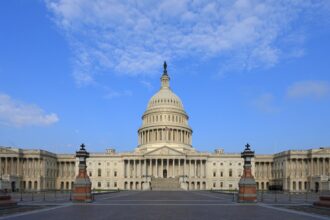
WASHINGTON — The Supreme Court delivered a major ruling Thursday, September 25, 2026, allowing the Trump administration to immediately deploy its federal SAVE database system to verify the citizenship status of registered voters — a 6-3 decision that clears the path for the most aggressive federal voter eligibility screening program in modern American history, less than six weeks before the November midterm elections.
The unsigned per curiam order granted an emergency stay of a June 2026 federal district court ruling that had blocked the program. The court’s six conservative justices voted to allow the database system to operate while the underlying legal challenge continues in lower courts. The three liberal justices — Sotomayor, Kagan, and Jackson — dissented publicly, warning that the ruling could suppress the voting rights of lawfully registered U.S. citizens who may be caught in erroneous government data matches.
The SAVE program — Systematic Alien Verification for Entitlements — was originally designed to help federal agencies verify immigration status for benefit eligibility purposes. Following a March 2025 executive order, the Trump administration modified the program to give state and local election officials the ability to cross-reference voter registration rolls against federal Social Security Administration records and immigration databases to flag potential noncitizens.
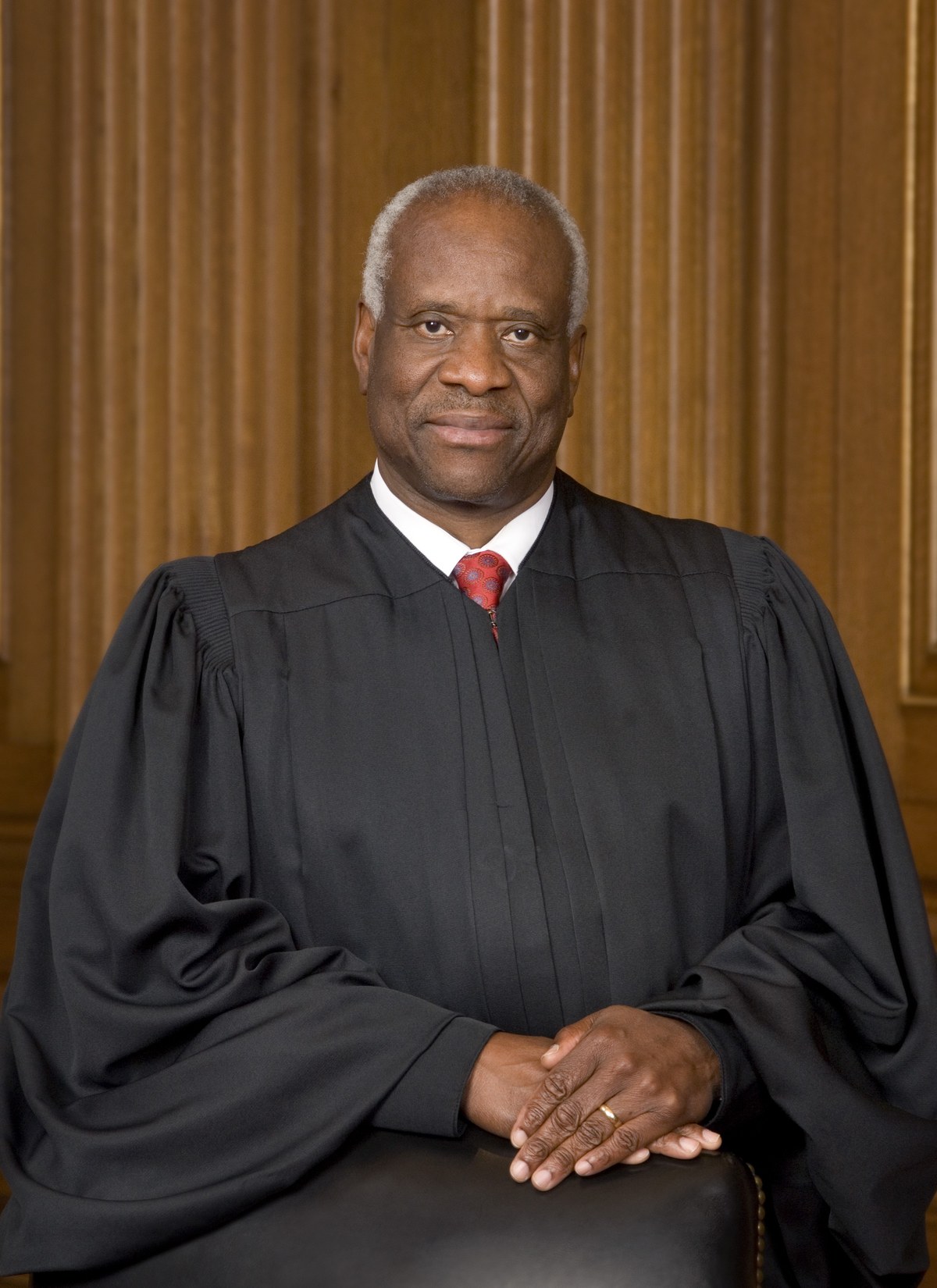
The court’s order indicated that the plaintiffs — a coalition led by the League of Women Voters — face a significant legal challenge, with the majority stating that their claims under the Social Security Act, the Privacy Act, and the Administrative Procedure Act “likely lack merit.” The ruling suggests a majority of justices are prepared to uphold the program when the case reaches full appellate review.
Administration officials hailed the ruling as a landmark victory for election security. DHS Secretary Kristi Noem called it “a historic day for American election integrity,” arguing that the ruling affirms the federal government’s right — and obligation — to ensure that only eligible citizens cast ballots in federal elections.
Election law experts, however, cautioned that the immediate impact on the November 3 midterm elections would be constrained by a separate federal law. The National Voter Registration Act generally prohibits states from conducting systematic voter removal programs within 90 days of a federal election. The court’s order acknowledged this restriction but noted that the use of the database for “individualized inquiries” — in response to specific challenges to individual voter registrations — remains permissible even during the blackout period.
“The court is essentially saying states can use SAVE to respond to specific challenges and flag potential issues for post-election audits, even if they can’t conduct mass purges before November,” said one election law attorney. “The longer-term implications for 2027 and 2028 elections are far more significant than what will happen in the next six weeks.”
Advocacy groups, including the American Civil Liberties Union and the Lawyers’ Committee for Civil Rights Under Law, said they would immediately seek to clarify the permissible boundaries of the court’s order and planned to monitor state election officials for any attempts to use the database in ways that go beyond “individualized inquiries” before Election Day.
The ruling is the third major election-related order from the Supreme Court this cycle. A federal judge earlier blocked Trump’s mail-in ballot rules, while Trump separately petitioned the Supreme Court to lift that injunction. The voter eligibility landscape heading into November remains one of the most legally contested in recent American history.
The case, Department of Homeland Security v. League of Women Voters, will now return to the lower courts for full merits proceedings, with a final resolution unlikely before the November election.
Sources & Official Documentation
- Legal Information Institute (Cornell Law) – 52 U.S. Code § 20507 – Requirements with Respect to Administration of Voter Registration (NVRA)
- Legal Information Institute (Cornell Law) – 8 U.S. Code § 1373 – Communication Between Government Agencies and INS/USCIS
- Electronic Code of Federal Regulations (eCFR) – 8 CFR Part 274a – Control of Employment of Aliens and Verification Procedures