NEWS | Updated August 21, 2026
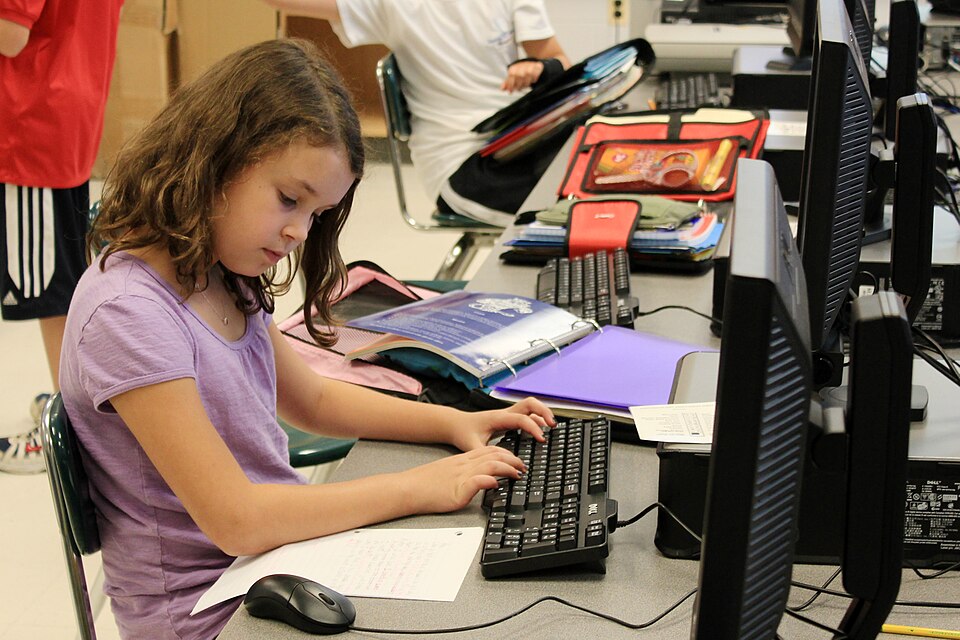
Schools are moving beyond simple bans on generative artificial intelligence and beginning to teach students how to test chatbot answers, identify fabricated information, and use the tools without surrendering their own judgment.
From prohibition to literacy
Educators in Charleston, South Carolina, recently trained teachers to demonstrate common AI failures, including confident but inaccurate answers. The district has created a generative-AI resource hub for families and staff as it develops classroom guidance.
The shift reflects a practical reality: students already encounter AI in search tools, writing software, and consumer apps. Schools increasingly see AI literacy as part of digital citizenship rather than a specialized computer-science topic.
What students need to learn
Useful lessons include checking claims against primary sources, recognizing that chatbots predict plausible language rather than verify truth, protecting personal information, and disclosing when AI contributed to an assignment.
AI can help students brainstorm, compare explanations, or receive feedback. It can also invent citations, reproduce bias, flatten a student’s original voice, and make it harder for teachers to know what a student understands.
States and districts take different paths
The Associated Press reported that 37 states have issued some form of AI guidance, while South Carolina did not yet have a statewide framework. Utah’s education guidance explicitly warns that AI output may be inaccurate, misleading, or incomplete and emphasizes human oversight.
Local flexibility can support experimentation, but large differences between districts may leave teachers and families without consistent expectations.
Why This Matters
AI literacy is becoming as important as media literacy. Students who learn only to avoid chatbots may be unprepared for workplaces that use them, while students who trust them blindly may mistake fluent language for reliable knowledge.
What to Watch
Expect more states to set standards for disclosure, privacy, age-appropriate use, and teacher training. Assessment design will also change as schools seek work that demonstrates genuine student understanding.
Sources
- Associated Press report, August 21, 2026
- Charleston County School District generative-AI resource announcement
- Utah State Board of Education AI framework
Patriot Raw welcomes factual corrections. Submit or review a correction.