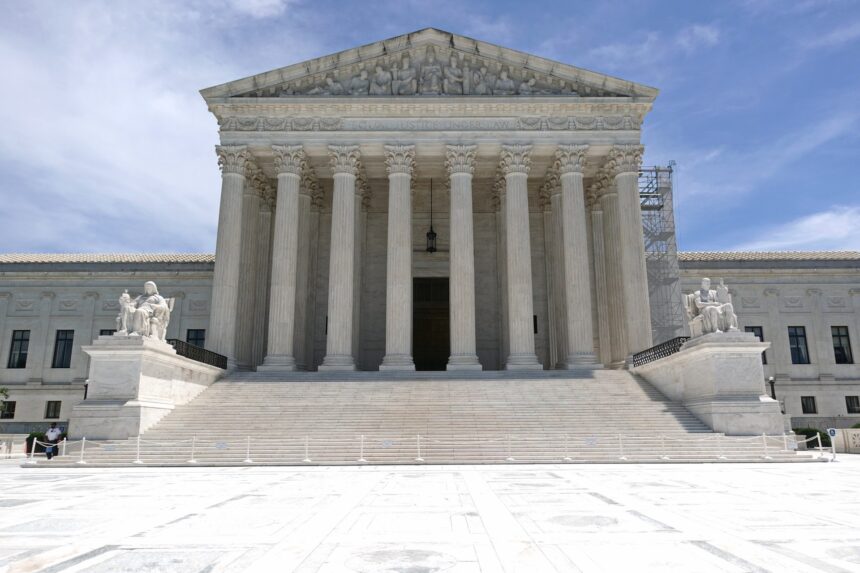
The Trump administration filed an emergency application asking the Supreme Court to immediately lift a nationwide injunction blocking Postal Service mail-in voting rules ahead of the 2026 midterms.
WASHINGTON — In a high-stakes constitutional showdown with immediate consequences for the 2026 midterm elections, the Trump administration filed an emergency application with the U.S. Supreme Court demanding the immediate lifting of a nationwide injunction that halted new Postal Service regulations governing mail-in ballots.
Solicitor General D. John Sauer submitted the emergency petition to Circuit Justice Ketanji Brown Jackson, arguing that an order issued by Boston federal judge Indira Talwani oversteps judicial authority and causes irreparable harm to federal election security efforts. Justice Jackson responded by setting an expedited briefing schedule, ordering a multi-state coalition of attorneys general and voting rights organizations to file their formal opposition by Tuesday morning, September 8.
Justice Department Defends Election Mail Verification Framework
The emergency appeal centers on Postal Service regulations finalized on August 21 to carry out President Donald Trump’s executive order on citizenship verification and ballot integrity. The rules mandate standardized barcoded tracking labels on all ballot return envelopes, require state election offices to submit verified voter registration lists to federal postal databases, and establish a centralized verification portal for processing absentee mail.
In the government’s filing, Sauer argued that the Postal Service acted squarely within its statutory authority to manage mail classification and logistics. The administration maintained that the measures are common-sense safeguards designed to prevent chain-of-custody gaps, standardize transit verification across state lines, and ensure public trust in mail-delivered ballots.
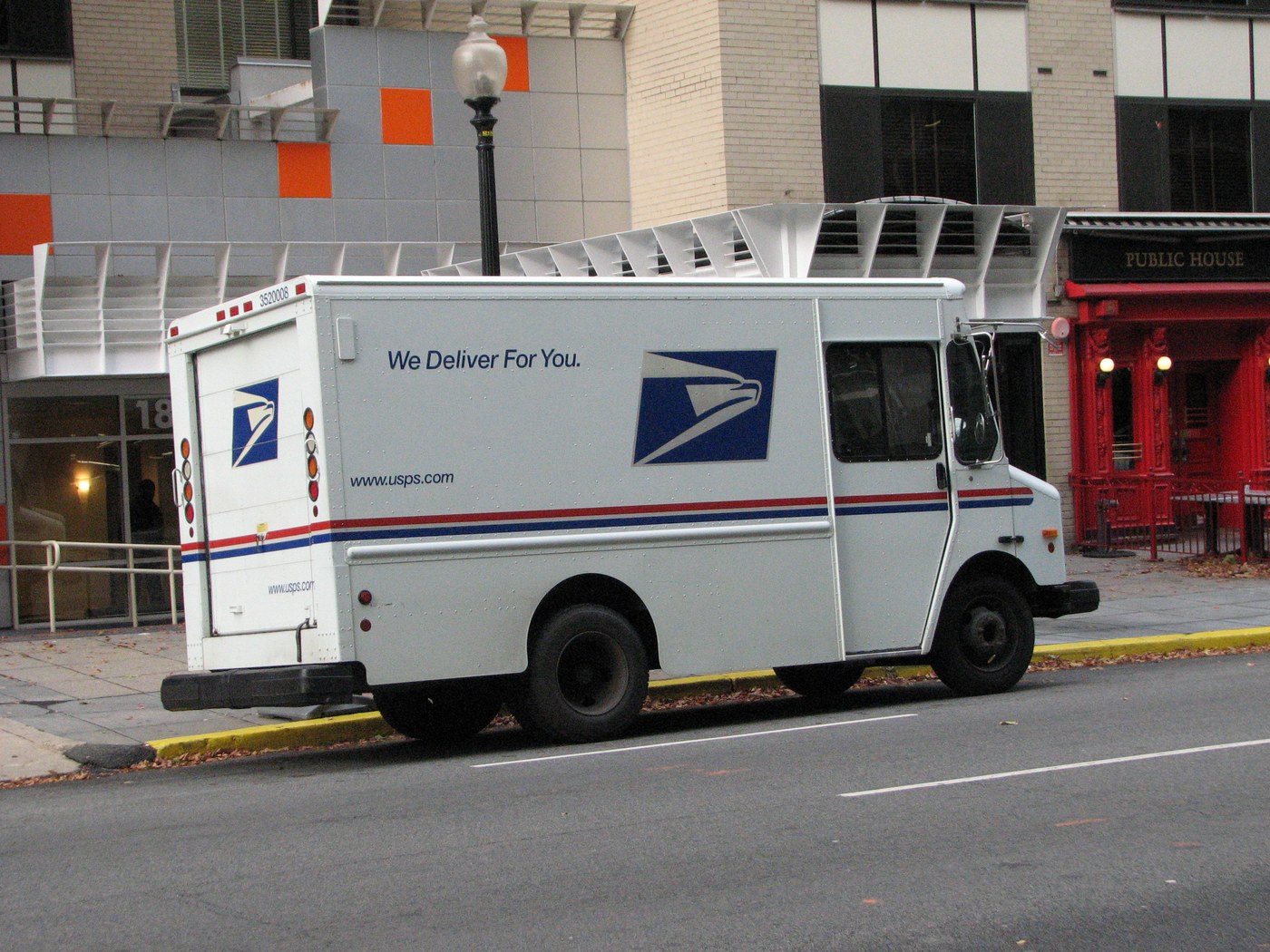
“The district court’s nationwide injunction paralyzes the Postal Service’s operational planning at the very moment general election mailings are beginning nationwide,” Sauer wrote in the emergency petition. “Federal courts should not disrupt neutral administrative preparation on the eve of an election, especially when standardized tracking benefits all participants in the democratic process.”
The Justice Department stressed that without immediate high-court intervention, the Postal Service will be forced to operate under conflicting regional standards, creating administrative uncertainty for postal workers processing millions of ballots across different state jurisdictions.
The rapid escalation to the high court follows intense legal maneuvering across the country, building on previous court fights where federal judges blocked mail-in ballot restrictions and tested the reach of executive directives.
Challengers Warn of Mass Voter Disenfranchisement
The coalition of states opposing the rule, led by Massachusetts, California, and New York alongside non-partisan civic groups, countered that the postal regulations represent an unlawful executive power grab. In proceedings before Judge Talwani, state election officials presented sworn testimony warning that forcing states to reformat millions of pre-printed envelopes and construct new database connections would create catastrophic backlogs just weeks before voting begins.
Judge Talwani agreed with the plaintiffs, finding that Congress never granted the Postal Service statutory power to regulate state election administration. Her 14-day temporary restraining order prohibited the agency from rejecting, delaying, or altering the delivery of standard election mail.
“The court is unaware of, and no party has proffered, any delegation Congress has made that would permit the USPS to regulate election mail,” Judge Talwani wrote in her initial bench order, emphasizing that election procedures are constitutionally reserved to state legislatures.
The Supreme Court fight comes amid an active docket of executive authority challenges, following recent rulings where a federal judge rejected Trump’s removal petition in New York state court proceedings.
High Court Confronts Tight Election Calendar
The Supreme Court previously addressed procedural aspects of the dispute in late August when it stayed an earlier injunction on ripeness grounds before the final rule was published. Now that the administrative framework is formally codified, the justices must confront the underlying legal merits and determine whether the Purcell principle—which discourages judicial alterations to voting rules close to an election—applies to federal agency mandates.
Legal analysts note that if the Supreme Court grants the stay, states will be required to immediately integrate Postal Service barcodes or risk delivery delays. Conversely, a denial of the stay would leave Judge Talwani’s injunction in place through the entirety of the November voting period.
With military and overseas ballots scheduled for distribution in mid-September and early voting beginning in multiple battleground states shortly thereafter, the full court is expected to rule on the emergency stay request before the end of the week. The decision will establish the definitive ground rules for mail-in balloting across all 50 states.
As campaigns nationwide adjust their voter mobilization operations alongside high-stakes Senate advertising offensives, the Supreme Court’s ruling will shape turnout dynamics across key congressional battlegrounds.
Sources
- Supreme Court of the United States — Emergency Application for Stay Pending Appeal in United States Postal Service v. Massachusetts (Application No. 26A241): https://www.supremecourt.gov/
- U.S. Department of Justice — Office of the Solicitor General Emergency Filings: https://www.justice.gov/osg
- Associated Press — Trump Administration Petitions Supreme Court Over Postal Mail Ballot Rules: https://apnews.com/hub/politics
- The Washington Post — Justice Jackson Sets Fast Briefing Schedule in Trump Postal Ballot Appeal: https://www.washingtonpost.com/